In the last of this series of short videos about the Totnes & District Local Economic Blueprint, David Seymour of Bridgetown Stores in Totnes discusses its implications for the local economy.
How does this resonate with your experience of being involved in Transition? Your group is highly effective, generally harmonious, communicates clearly and effectively, has power dynamics which are understood and enjoyed by everyone, deals creatively with conflict and runs its meetings in such a way that people look forward to them and love being part of them. If your answer sits anywhere between “absolutely not” and “hmmm”, then you might enjoy this short video:
https://youtu.be/NmEC3BCOBq8
It’s an introduction to Transition Training’s new ‘Effective Groups’ training and resources, developed by trainer Nick Osborne, who also narrates it. I spoke to Nick, and what follows is a choice of audio from our conversation broken into different questions, or some notes for those who would rather read the key points.
Here’s Cllr. Jill Tomalin of Totnes Town Council giving her, and the Council’s, reflections on the Totnes & District Local Economic Blueprint which was published last week.
South Hams District Council took an active role in the creation of the Totnes & District Local Economic Blueprint, so I sat down with Richard Sheard, Chief Executive Officer at SHDC and began by asking him why he thought the Blueprint matters.
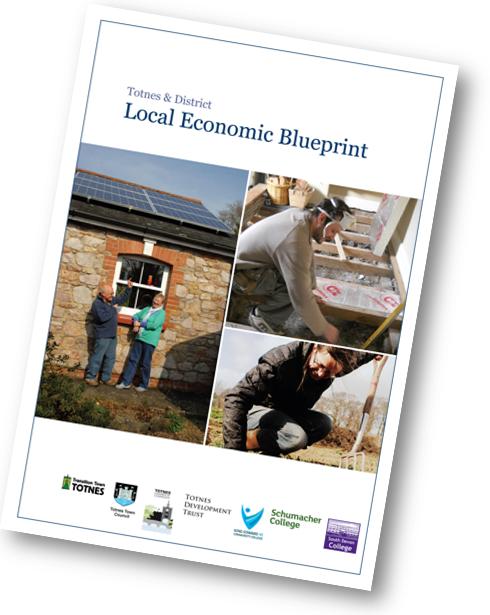
You can download the Blueprint here, and see the first review of it here. Have a good Easter.
Today sees the publication of what may well turn out to be one of the most important documents yet produced by a Transition initiative. Over the next few weeks we will be returning to it, to hear a range of perspectives on it, and hope it will generate debate and discussion. The document is the ‘Totnes & District Local Economic Blueprint‘, and you can download it for free here. The Blueprint is the first attempt that I am aware of to map in detail a local economy and to put a value on the potential benefits of an increased degree of localisation. If you like, it identifies “the size of the prize” of Transition.
Here Fiona Ward of the REconomy Project introduces the Blueprint:
How might our response to peak oil and climate change look more like a party than a protest march? This site explores the emerging transition model in its many manifestations
Read more»