Here’s a fantastic video from DW (“Germany’s International Broadcaster”) about Transition in South Africa. It is a clip from a longer programme called ‘Global 3000: The Globalisation Program’, and it looks at the work of Transition Town Greyton in South Africa. It is a fascinating response to the question of “what does Transition look like beyond Europe and the US?” It may well become one of my favourite videos about Transition:
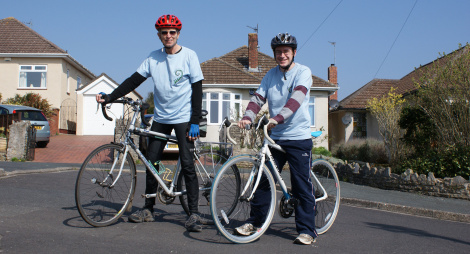
We start this month’s Round Up with the first of two awards we’ll be giving out this month, the ‘Dedication to Transition Above and Beyond the Call of Duty Award’. It goes to David and Mark of Transition Keynsham, who will be taking part in the Exmouth Exodus bike ride to raise much needed funds for Transition Keynsham. The Exodus ride is an overnight bike ride from Clifton to Exmouth, a total of around 100 miles with a few hills along the way! If you would like to sponsor them, or send them encouraging words, please click here. Every little helps (as they say).
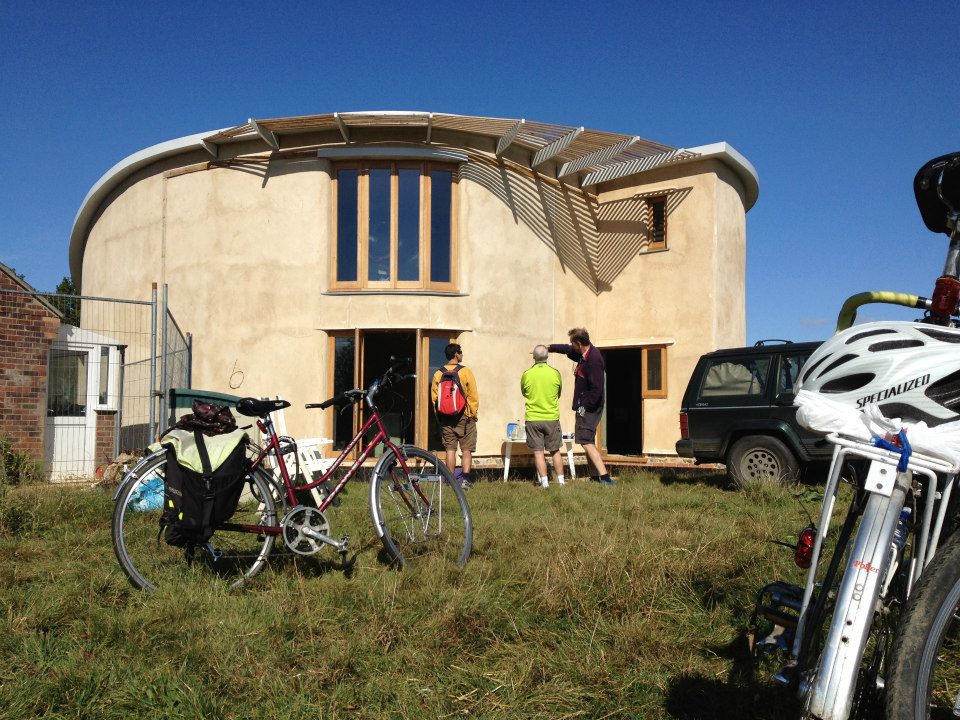
I was delighted recently to be asked to speak at the Earth Building UK conference, held this year at Dartington, near Totnes. As regular readers will know I have had a deep and long-lasting love affair with earth building, and indeed many of those who inspired and trained my fumblings into the world of cob homes, strawbale walls and clay plasters were there in the audience. In the context of the soon-to-be-released ‘Totnes & District Local Economic Blueprint’, I looked at two projects in Totnes and their potential to do a lot more than just provide houses. It was a shame I could only get there for the final session as the whole day looked mouth-watering. The bits I did hear were great: I had never, for example, heard of the ‘mud and stud’ technique before, a method particular to Lincolnshire. Fascinating stuff. Anyway, here’s my talk:
Today we have a guest post from Kate de Selincourt of the AECB, the Sustainable Building Association:
Are you keen on encouraging sustainable and resilient building in your community – and would you like to have some good chats about it? If you have an AECB group nearby you have an untapped resource. Transition members who are involved with building and energy initiatives are being invited to come along to a local meeting of the AECB (Sustainable Building Association) and take advantage of the common ground between the two organisations.
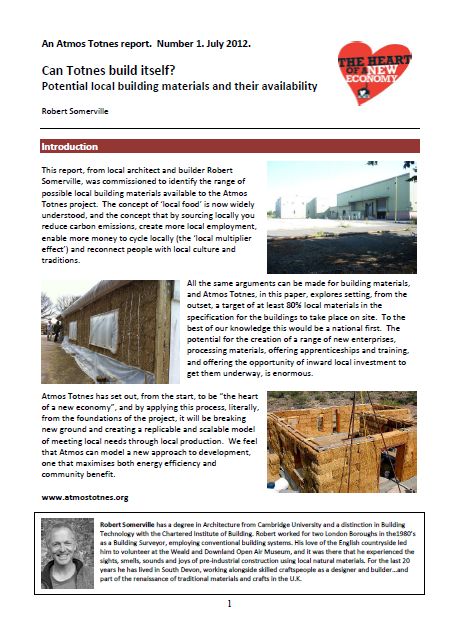
[Here is a press release just put out by Atmos Totnes] When it comes to building houses, which offers the best return to a local economy, concrete blocks or straw bales? Gypsum or clay plasters? Imported timber or local timber? Atmos Totnes today announces the release of a ground-breaking new paper, ‘Can Totnes build itself?’ (a kind of successor to 2009’s ‘Can Totnes and district feed itself?’ study), which looks at the local building materials potentially available for the construction of the Atmos Totnes development.
How might our response to peak oil and climate change look more like a party than a protest march? This site explores the emerging transition model in its many manifestations
Read more»
 Here’s a fantastic video from DW (“Germany’s International Broadcaster”) about Transition in South Africa. It is a clip from a longer programme called ‘Global 3000: The Globalisation Program’, and it looks at the work of Transition Town Greyton in South Africa. It is a fascinating response to the question of “what does Transition look like beyond Europe and the US?” It may well become one of my favourite videos about Transition: