Today sees the publication of what may well turn out to be one of the most important documents yet produced by a Transition initiative. Over the next few weeks we will be returning to it, to hear a range of perspectives on it, and hope it will generate debate and discussion. The document is the ‘Totnes & District Local Economic Blueprint‘, and you can download it for free here. The Blueprint is the first attempt that I am aware of to map in detail a local economy and to put a value on the potential benefits of an increased degree of localisation. If you like, it identifies “the size of the prize” of Transition.
Here Fiona Ward of the REconomy Project introduces the Blueprint:
“a volunteer-led project which aims to help Londoners grow more of their own food. We propagate edible plants which are then used on local growing projects. We teach people how to recognise plants, which parts are edible, how to propagate them, how they are grown in a forest garden and even how to cook with them”.
On the day I visited it was pouring with rain, and with it being early March there was not much in the way of plants to be seen, but I made the following short film (slowly getting the hang of it, poor audio in places is due to torrential rain on greenhouse roof) which hopefully captures some of what the project is about. See if you can spot the cameo by a mouse:
I am just back from 3 days in Germany, and great fun it was too. I spoke on Wednesday evening in Bonn at an event organised by Bonn im Wandel (Bonn in Transition) at the University there, and on Thursday evening I was the guest of the Heinrich Böll Foundation in Berlin. I am currently teaching myself to make short films, and here is my first (I’m doing a proper course in 2 weeks). Nothing fancy but hopefully it captures some of the spirit of both events.
Some additional information on what’s going on in the film might be useful…
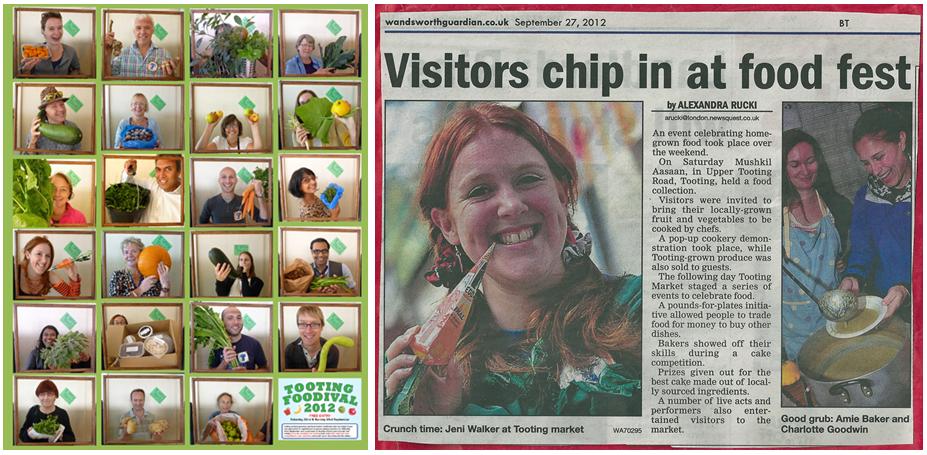
We start this month’s round-up in Tooting in London. Transition Town Tooting recently posted this film about their Foodival last year. Foodival is an annual event which celebrates what local food means in this diverse urban context:
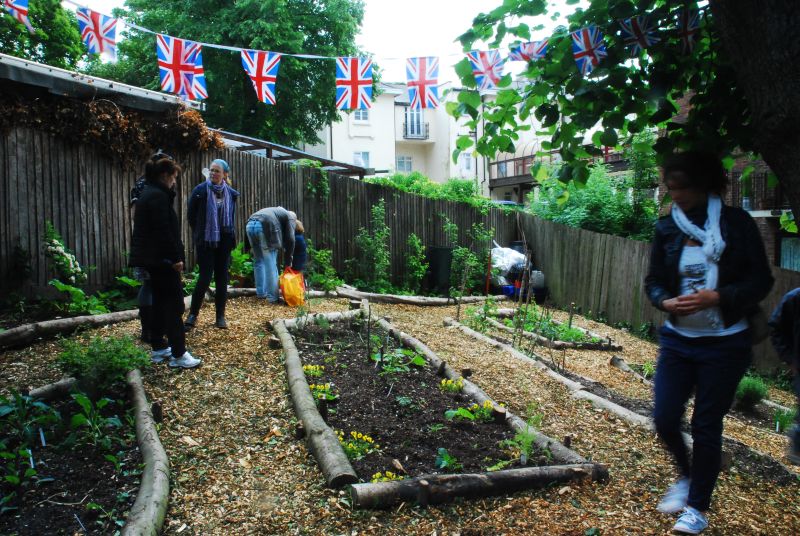
The festival day where Crystal Palace Transition Town’s Westow Park Community Garden was first unveiled to the public.
Here’s a great story about the power of just doing stuff, from Crystal Palace in London. I heard recently that Crystal Palace Transition Town (CPTT) had won the People’s Food Garden Award in the Capital Growth Grow For Gold awards late last year, and I was intrigued to know more about their Westow Park Community Garden and how it came about. I spoke to Rachel DeThample, who had kicked the project off. She told me that the original impetus for the garden came from wanted to leave London and move to Dorset in order to grow food. Unfortunately, as she put it, “my husband was having none of it”, so instead she set herself the challenge to grow her family’s Christmas dinner within London.
How might our response to peak oil and climate change look more like a party than a protest march? This site explores the emerging transition model in its many manifestations
Read more»
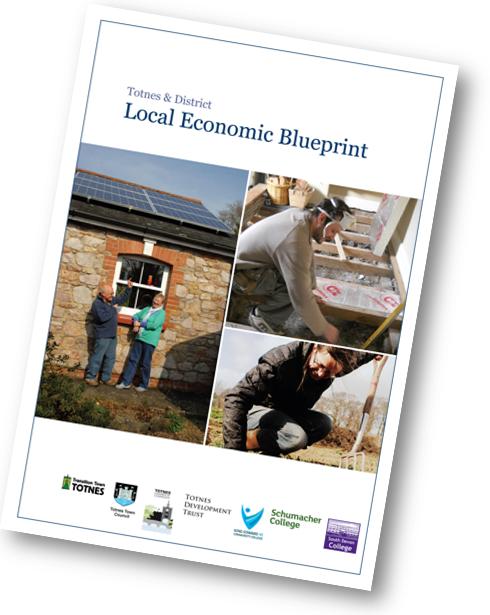 Today sees the publication of what may well turn out to be one of the most important documents yet produced by a Transition initiative. Over the next few weeks we will be returning to it, to hear a range of perspectives on it, and hope it will generate debate and discussion. The document is the ‘Totnes & District Local Economic Blueprint‘, and you can download it for free here. The Blueprint is the first attempt that I am aware of to map in detail a local economy and to put a value on the potential benefits of an increased degree of localisation. If you like, it identifies “the size of the prize” of Transition.