Here is a fascinating short film. It features Eric Stewart of Transition New Port Richey in Florida, US, giving a presentation to his local council about what the group are up to. Yet it is also one of the most stressful Transition films I have ever seen, like some surreal drama, the dramatic tension is almost unbearable. The clock, in bright red, is ticking down and it’s hard to take your eyes off it. Will he say everything he needs to in just 3 minutes? What happens if he is still talking after 3 minutes? Do they pull a handle so that he plunges into a tank of crocodiles? Will he stumble, get it all wrong and say the wrong things?
… and then… just when the tension becomes unbearable, the film stops with 1:07 left to go! Ah the suspense! The unanswered questions! The sheer drama! I don’t need The Wire, 24…. just I minute 53 seconds of Eric Stewart and I have no finger nails left and chances are I won’t sleep tonight. He does a great job, keeps his head, and presents what the group are doing really well. Worth having a think about what you would say in that situation…. what would be the key things to get across if that red clock were ticking? If anyone has any idea where the rest of this film can be found, you might just put me out of my misery…
Transition training participants expressed interest in living in more natural and less oil-dependent communities.
This week, Turkey joined the growing list of countries with communities signing up to become part of the Transition movement.Transition trainer Gerri Smyth came from Gilford, England, to lead the 21 participants from western Turkey, France, Germany, Luxembourg and the United States through a two-day seminar on how communities can respond to climate change by moving away from fossil fuels and building stronger, more resilient communities.
Yes, it’s competition time again, and this time the theme is beer. I am delighted to announce that we have one copy of the late David Fleming’s genius lifework ‘Lean Logic‘ (read glowing reviews here and here) and 10 copies of the new, much smaller, but quite brilliant “Rough Guide to Community Energy” to give away! Fantastic. This competition is inspired by the news that Transition Leytonstone have been working with Brodies, their local brewery, to produce ‘Transition Ale’, being brewed to celebrate their birthday. Regular readers will know I am a huge fan of tales of local breweries using beer names to celebrate Transition developments in their community. First off the blocks here were Transition Town Lewes, for whom local brewery Harveys brewed firstly ‘Quids In’ to celebrate the launch of the Lewes Pound, and more recently, ‘Sunshine Ale’, to celebrate the creation of the UK’s first community solar power station.
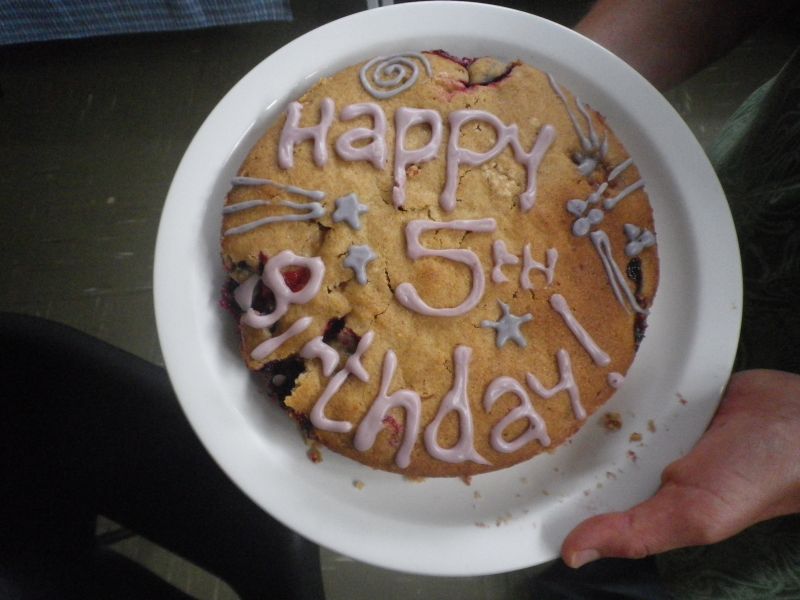
Today is the 5th anniversary of the ‘Unleashing’ of Transition Town Totnes. Feels like quite a landmark to me. On Saturday, TTT held an event to celebrate and reflect on the journey so far and on where we might go from here. In spite of it starting at 9am on a Saturday, over 70 people came, and we had a fantastic day. The day was chaired by Chrissie Godfrey and Paul Birch from Taunton Transition Town, who beautifully facilitated a very energising day. In the forthcoming ‘The Transition Companion’, one of the ingredients is called ‘How are we doing?’ and it looks at how groups can pause and reflect. What I want to do here is to set out the process we did on Saturday, in the hope that your Transition initiative might find it useful for having similar reflections.
In July I did a ‘webinar’ thing with Richard Heinberg and Carolyne Stayton of Transition US, about how Transition is developing and about what will be contained in the ‘Transition Companion’. With deepest gratitude to Rani of Transition Palo Alto, the poor soul who bravely transcribed it and must be utterly sick of the sound of my voice, here is the transcript. We’ll be doing it all over again on September 12th, and you can hear the audio of the last one here. Maybe see you there.
How might our response to peak oil and climate change look more like a party than a protest march? This site explores the emerging transition model in its many manifestations
Read more»